{Goat Farming Success Guide: What Every Beginner Must Know}
Starting a goat farming venture can be one of the most profitable and fulfilling decisions you make in agriculture. Goats are adaptable, require low input, and offer multiple income streams—from meat, milk, and manure to fiber and skins. But to succeed, you need more than just buying goats—you need knowledge, strategy, and planning. Here are the key things every smart farmer must consider before starting a goat farm:
- Know Your Purpose
Why are you keeping goats? Your purpose determines the breed and management system.
Meat Production? Choose breeds like Boer, Kalahari Red, or Savanna.
Milk Production? Opt for high-yielding dairy goats like Saanen, Toggenburg, or Nubian.
Fiber or Skins? Consider Angora or Sokoto Red goats.
Your goals must match your environment and market demand.
- Legal Requirements
Don’t ignore the law!
Check local zoning and livestock regulations.
Apply for permits or livestock registration where needed.
Know your country’s animal welfare and health standards.
It’s better to be compliant than to face fines or farm shutdowns later.
- Farm Location & Infrastructure
Goats need space, shelter, and safety.
Land: 1–2 acres can support 10–20 goats with good vegetation.
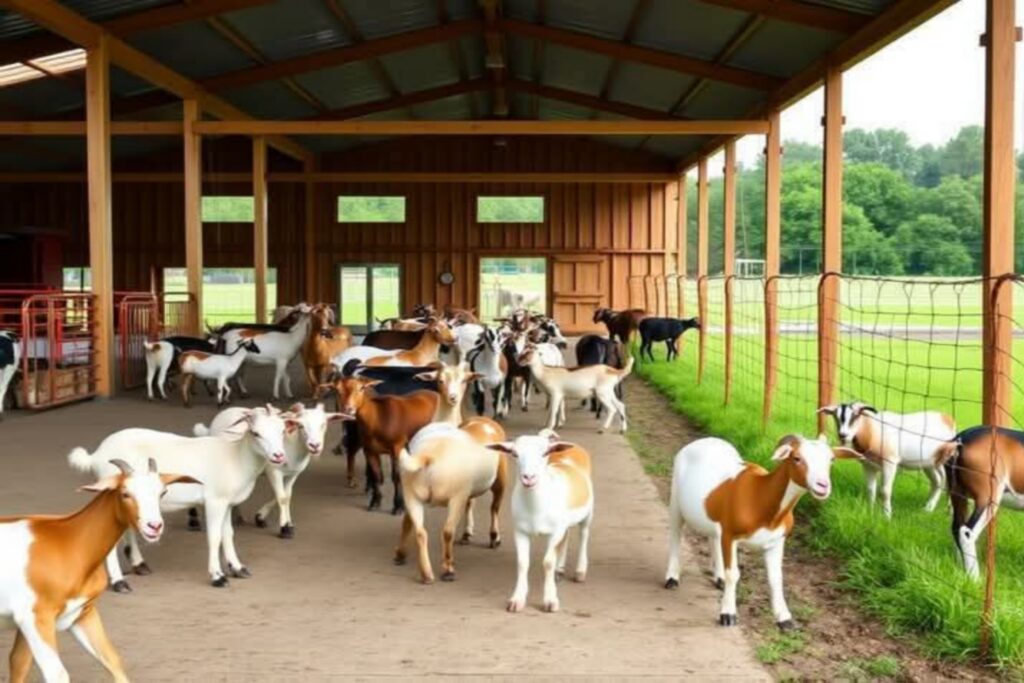
Shelter: Build a clean, dry, well-ventilated shed. Allow 10–15 sq. ft. per goat inside and 25–30 sq. ft. outside.
Fencing: Use strong fences—woven wire or electric fencing—to prevent escape and deter predators.
Tip: Goats are curious escape artists. Fence like you’re keeping out lions.
- Choose the Right Breed
Don’t rush to buy goats from anyone.
Pick breeds that suit your climate, terrain, and business goal.
Buy from trusted breeders with vaccinated, dewormed, and healthy stock.
Avoid overcrowding and mixing sick animals with healthy ones.
- Feed & Nutrition
Feeding is everything in goat farming!
Goats are browsers, not grazers. They prefer shrubs, tree leaves, and herbs over plain grass.
Provide a mix of forage, legumes, concentrates (like maize bran), mineral supplements, and clean water.
Learn the toxic plants in your area (e.g., oleander, lantana) and keep them off your farm.
Bonus: Goat manure is gold for organic farming!
- Health Management
Healthy goats = profitable goats.
Work with a qualified vet.
Create a vaccination and deworming schedule.
Keep the shed clean to avoid diseases like foot rot, pneumonia, or coccidiosis.
Check regularly for parasites, bloating, wounds, or abnormal behavior.
- Breeding & Reproduction
Good genetics = faster returns.
Start with a 1:25 buck-to-doe ratio for natural breeding.
Monitor heat signs and plan mating during rainy seasons for better feed availability.
Learn basic kidding management to reduce losses.
Pro Tip: Keep records of every goat—birth dates, vaccines, health issues, and production levels.
Conclusion
Goat farming can transform your life—but only if you treat it as a business. Learn the basics, plan well, and invest in knowledge before animals.
Want a Full Goat Farming E-book?
We’ve got a detailed goat farming guide covering breeds, housing designs, diseases, feeding charts, marketing tips, and more!
Source: Animal Hospitality