Agriculture, broadly defined, encompasses various types of farming, each with its own characteristics and purposes. These include subsistence farming, commercial farming, organic farming, mixed farming, and specialized forms like aquaculture, hydroponics, and vertical farming. These diverse approaches reflect different scales, intensity, and goals in food production and resource management.
Here’s a more detailed look at some key types of farming:
Subsistence Farming: This type focuses on producing enough food to feed the farmer and their family, with little to no surplus for sale. It’s often practiced in developing countries and can involve techniques that are more environmentally friendly.
Commercial Farming: This type aims to produce crops or livestock for sale and profit, often on a large scale. It’s common in developed nations and may involve advanced technologies and inputs.
Organic Farming: This approach emphasizes natural processes and avoids synthetic fertilizers, pesticides, and genetically modified organisms (GMOs). It prioritizes soil health, biodiversity, and ecological balance.
Mixed Farming: This system integrates crop cultivation and livestock rearing on the same farm, creating a more diverse and potentially sustainable system.
Specialized Farming:
Aquaculture: The farming of aquatic organisms, such as fish and shellfish, in controlled or semi-controlled environments.
Hydroponics: Growing plants in nutrient-rich water solutions without soil.
Vertical Farming: Cultivating crops in stacked layers, often indoors, to maximize space and yield.
Precision Farming: Using technology and data analysis to optimize farming practices and maximize efficiency.
Agroforestry: Integrating trees and shrubs into crop and livestock production systems.
Terrace Farming: Creating flat, leveled steps or terraces on sloping land to facilitate cultivation.
Pastoralism: Raising livestock, such as cattle or sheep, for meat, milk, or wool, often in arid or semi-arid regions.
Plantation Farming: Large-scale cultivation of a single crop, often cash crops like sugar, cotton, or coffee.
Other Notable Types:
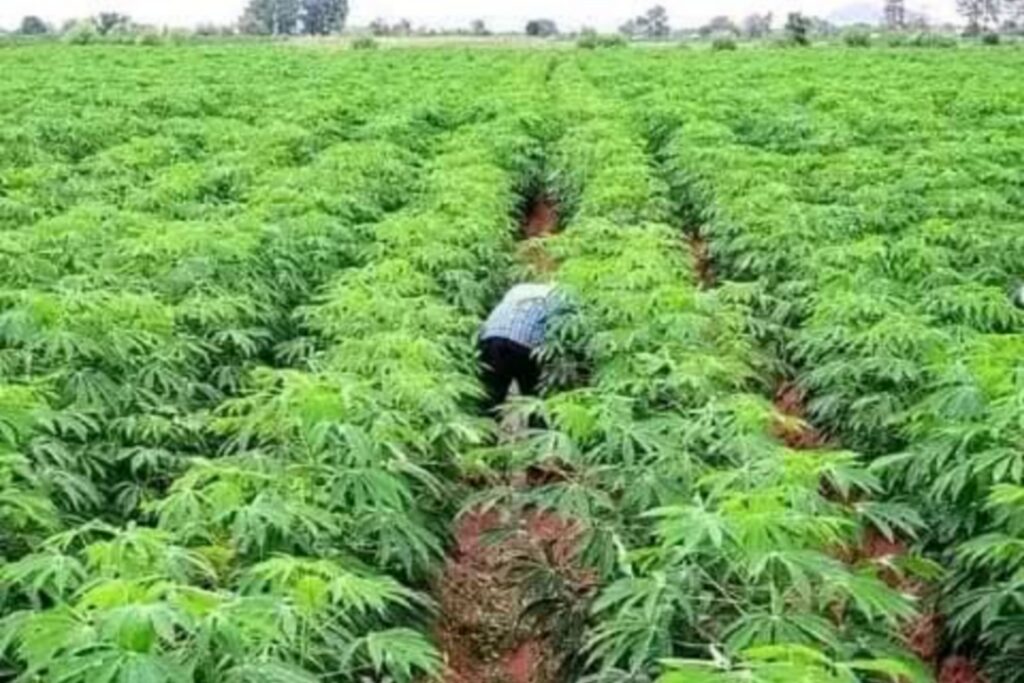
Arable Farming: Growing crops in open fields using traditional methods like plowing, sowing, and harvesting.
Livestock Farming: Raising animals for food, fiber, or labor.
Horticulture: The intensive cultivation of fruits, vegetables, flowers, and ornamental plants.
Cooperative Farming: Farmers working together to share resources, labor, and expertise.
Urban Agriculture: Growing food in urban areas, often in gardens, rooftops, or other spaces.
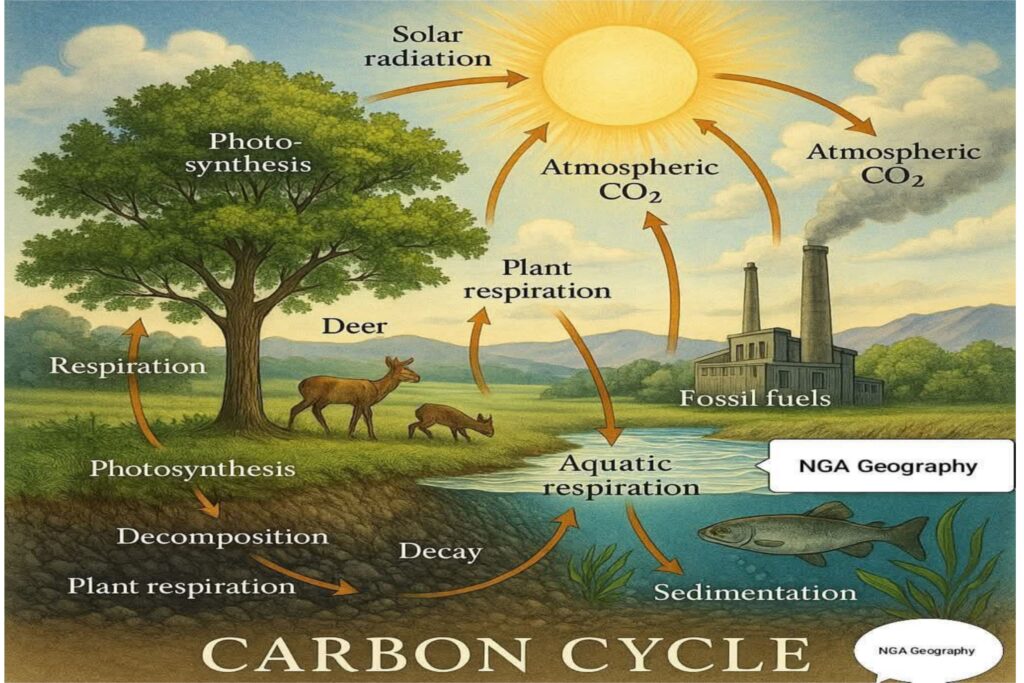
Regenerative Agriculture: A system of farming that aims to improve soil health, enhance biodiversity, and increase carbon sequestration.