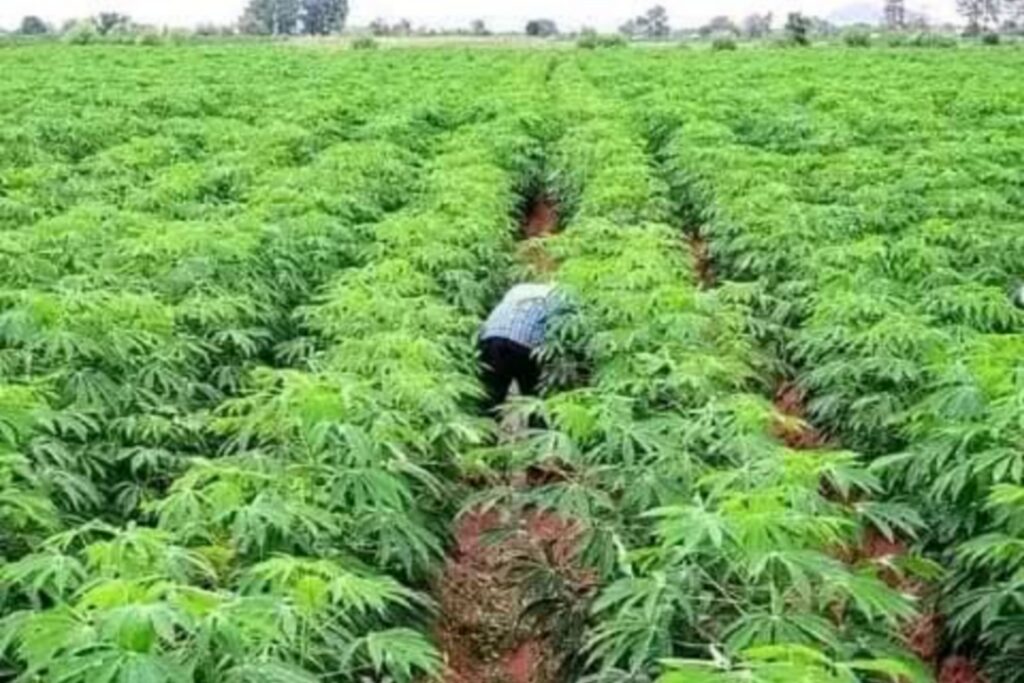
Cassava farming is an important agricultural activity in many tropical regions, providing food security and income for millions of people. Here are some key aspects related to cassava farming:
- Improved Cassava Varieties:
Improved cassava varieties have been developed through breeding programs to enhance their yield, disease resistance, and adaptability to different environmental conditions. These varieties offer higher yields and better quality traits compared to traditional varieties. Farmers should select appropriate improved varieties based on factors like soil type, climate, and intended use (e.g., fresh consumption or processing). - Adaptability to Different Environments:
Cassava is known for its ability to thrive in diverse environmental conditions, including poor soil fertility and drought-prone areas. It can grow in tropical and subtropical regions with varying rainfall patterns. However, selecting the right variety that matches the specific climatic and soil conditions of the farming site is crucial for ensuring successful cassava cultivation. - Integrated Pest and Disease Management:
Cassava is susceptible to various pests and diseases, such as cassava mosaic disease, mealybugs, and cassava bacterial blight. Integrated pest and disease management (IPDM) practices are essential to minimize yield losses and ensure healthy crop growth. IPDM includes cultural practices (crop rotation, weed control), biological control (using natural enemies), and judicious use of pesticides when necessary. - Value Addition and Processing:
Cassava can be processed into various value-added products, expanding its market potential and profitability. Processing techniques include the production of cassava flour, starch, chips, and other derivatives such as ethanol or animal feed. Value addition improves shelf life, reduces post-harvest losses, and creates additional income streams for farmers. It also provides opportunities for employment and entrepreneurship in rural areas. - Post-Harvest Management:
Proper post-harvest management is crucial to ensure the quality and storability of harvested cassava roots. Prompt harvesting, handling, and storage techniques are essential to reduce spoilage and prolong the shelf life of the harvested tubers. Practices like curing, cleaning, and appropriate storage conditions (cool, dry, well-ventilated) help mitigate losses caused by physiological deterioration, rotting, and insect damage. - Market Access and Value Chain:
Establishing market linkages and creating strong value chains are important for the success of cassava farming. Farmers should explore local and regional markets for fresh cassava roots, as well as opportunities in the processing industry. Collaborating with local processors, cooperatives, or agribusiness companies can provide a market outlet and increase the value of cassava products. - Farm Management and Good Agricultural Practices:
Cassava farming requires good agronomic practices, including land preparation, planting techniques, nutrient management, and irrigation (when needed). Proper farm management practices, such as weed control, timely harvesting, and maintaining soil fertility, are essential for optimizing cassava yield and quality. Applying good agricultural practices ensures sustainable cassava production and reduces environmental impact.
Cassava farming offers opportunities for food security, income generation, and rural development. By utilizing improved varieties, implementing integrated pest and disease management, exploring value addition and processing, and adopting proper farm management practices, farmers can maximize the productivity and profitability of cassava cultivation. Additionally, market access and value chain integration play a crucial role in the success of cassava farming enterprises.