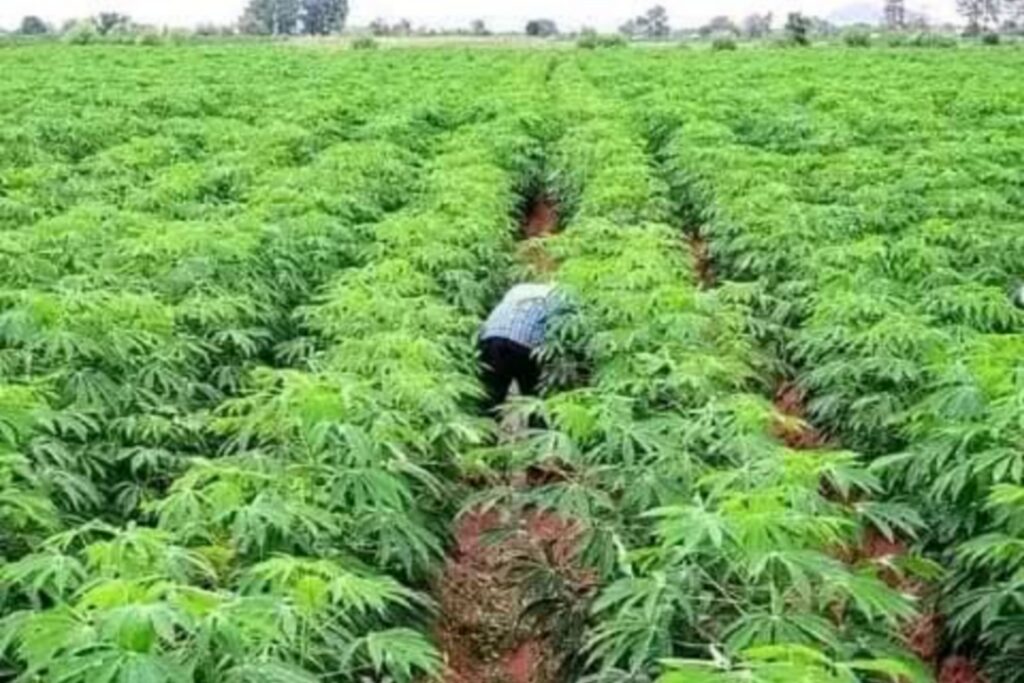
1.🌾 Climate-Smart Agriculture: Farming for the Future 🌍
Imagine a farm where crops whisper secrets to the soil, the rain dances in perfect rhythm with the seasons, and every harvest is a win for both the farmer and the planet. Sounds like a scene from a magical eco-fantasy, right? Well, welcome to the real-world magic of Climate-Smart Agriculture (CSA)!
🌱 What is Climate-Smart Agriculture?
Climate-Smart Agriculture is like a superhero version of traditional farming. It combines science, innovation, and ancient wisdom to create farming systems that can:
1. Boost productivity – More crops, more food, more income.
2. Adapt to climate change – Built-in flexibility for weird weather and changing seasons.
3. Reduce greenhouse gas emissions – Yes, farming that helps cool the planet!
It’s farming with a mission: feed the world, save the Earth, and keep farmers thriving while doing it.
🔍 How Does It Work?
Think of CSA as a smart toolbox. Inside, you’ll find:
– Drought-resistant crops that laugh in the face of dry spells 🌵
– No-till farming that keeps soil healthy and happy 🐛
– Agroforestry – trees and crops living together in harmony like old friends 🌳+🌽
– Precision agriculture – GPS, drones, and apps helping farmers work smarter, not harder 📱✈️
– Rainwater harvesting – catching every precious drop 💧
These aren’t just cool tricks—they’re game-changers.
🌎 Why Is It So Important?
Climate change isn’t knocking on the door—it’s already in the kitchen raiding the fridge. Droughts, floods, heatwaves, and pests are making farming riskier than ever. And yet, we still need to feed 8 billion people (and counting!).
CSA is our secret weapon. Here’s why it matters:
– Food Security: It ensures we can grow enough food, even in a changing climate.
– Farmer Resilience: It helps farmers bounce back from disasters and keep farming sustainably.
– Environmental Health: CSA protects nature by using resources wisely and restoring ecosystems.
– Economic Growth: Healthier farms mean stronger rural economies and fewer climate-related losses.
🎉 The Future is Smart (and Delicious)
Climate-Smart Agriculture isn’t just a concept—it’s a movement. From rice paddies in Asia to maize fields in Africa, farmers around the world are joining forces with scientists, techies, and policymakers to revolutionize the way we grow food.
So next time you bite into a juicy tomato or a warm bowl of rice, remember: the future of farming is smart, sustainable, and climate-ready—and it’s already growing beneath our feet.
2. Climate Smart Livestock Farming (CSLF)

Climate Smart Livestock Farming (CSLF) is an integrated approach to livestock production that enhances productivity, builds resilience to climate change, and reduces greenhouse gas emissions. It aims to meet growing food demands while safeguarding the environment and improving farmers’ livelihoods.
Key Components of Climate Smart Livestock Farming:
🌱 1. Improved Pasture Management
Rotational grazing: Moving livestock between pastures to allow forage regrowth.
Drought-resistant grasses: Reduces dependency on external feed and maintains ground cover.
Soil fertility: Enhanced by incorporating legumes and compost.
💧 2. Water Management
Efficient watering systems: Troughs and rainwater harvesting reduce water waste.
Protection of water sources: Fencing off streams to prevent contamination.
Irrigation for pasture: Sustainable water use ensures green fodder year-round.
♻️ 3. Renewable Energy Integration
Solar panels: Power milking machines, water pumps, and lights.
Wind turbines: Supplement energy needs on larger farms.
Biogas systems: Convert manure into energy and reduce methane emissions.
🐄 4. Improved Animal Health and Genetics
Resilient breeds: Selected for heat tolerance and disease resistance.
Vaccination and veterinary care: Reduces disease outbreaks and mortality.
Efficient feeding: High-quality, low-emission diets improve productivity.
🌍 5. Emission Reduction and Manure Management
Manure composting and storage: Lowers methane and nitrous oxide emissions.
Biogas digesters: Capture methane for cooking or electricity.
Carbon sequestration: Managed grazing helps store carbon in soil.
👩🌾 6. Livelihood and Community Benefits
Training for farmers: On sustainable practices and climate adaptation.
Gender inclusion: Empowering women in livestock production.
Market access: Promoting value-added products like organic milk or meat.
Outcomes of CSLF
Reduced environmental footprint
Increased farm productivity and income
Greater resilience to droughts, floods, and temperature changes
Enhanced food and nutrition security
Climate Smart Livestock Farming is essential for achieving sustainable agriculture, mitigating climate change, and ensuring a future-ready food system.
3. Climate-Smart Agriculture (CSA)

The “Triple Win” of Climate-Smart Agriculture (CSA) refers to its three core objectives that work together to address climate change while promoting sustainable farming. These are:
- Increased Productivity
Goal: Sustainably raise agricultural productivity and incomes.
How:
-Use improved seeds and farming techniques.
-Promote crop diversification and resilient livestock systems.
-Optimize fertilizer and irrigation practices.
Impact: Ensures food security and farmer livelihoods, even under changing climate conditions.
- Enhanced Resilience (Adaptation)
Goal: Strengthen farmers’ ability to adapt to climate-related shocks.
How:
-Build soil health and water retention capacity.
-Introduce drought-, flood-, and pest-resistant crop varieties.
-Improve early warning systems and risk management.
Impact: Reduces vulnerability to climate extremes and variability.
- Reduced Emissions (Mitigation)
Goal: Lower or remove greenhouse gas (GHG) emissions from agriculture.
How:
-Promote agroforestry and cover crops.
-Use precision agriculture and reduce overuse of fertilizers.
-Manage manure and methane from livestock more effectively.
Impact: Helps fight climate change by lowering the carbon footprint of food systems.
Together, these three goals form the “Triple Win” — creating a productive, resilient, and low-emission agriculture system that supports both people and the planet.
4. Climate Change Causes Floods
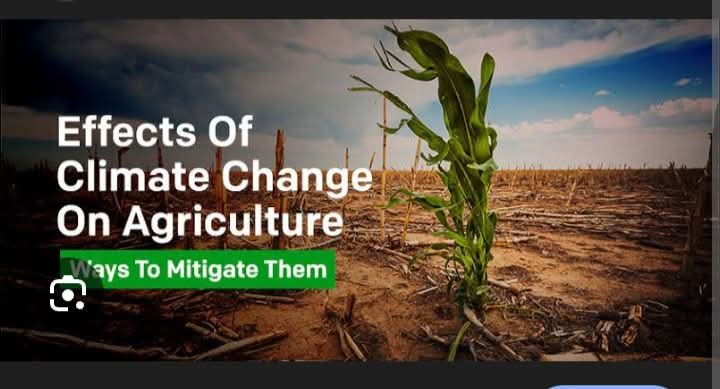
Climate change, primarily caused by increased greenhouse gas emissions, exacerbates extreme weather events like floods and droughts, which significantly impact agriculture. Rising temperatures lead to more intense rainfall, increased evaporation, and changes in precipitation patterns, all contributing to flood risks and water scarcity, ultimately harming agricultural production.
- Here’s a more detailed explanation, How Climate Change Causes Floods
Increased Heat and Evaporation: Warmer temperatures lead to more evaporation from oceans and land, increasing the amount of water vapor in the atmosphere.
Intense Rainfall: This moisture-rich atmosphere can lead to heavier and more frequent rainfall events, increasing the likelihood of flash floods and river overflows.
Changes in Precipitation Patterns: Climate change can alter seasonal precipitation patterns, causing areas that were once accustomed to regular rainfall to experience droughts, while others may experience more intense flooding.
Melting Glaciers and Snowpack: As temperatures rise, glaciers and snowpack melt more rapidly, contributing to increased river flows and flood risk, especially in spring and summer.
How Floods Affect Agriculture?
Crop Damage: Flooding can directly damage crops by submerging them, washing away nutrients, and making the soil unsuitable for planting.
Soil Degradation: Flooding can erode topsoil, reduce its fertility, and increase the risk of landslides and soil contamination.
Livestock Losses: Extreme weather events can kill livestock or force them to be relocated, leading to significant economic losses for farmers.
Water Scarcity: Prolonged drought conditions, exacerbated by climate change, can lead to water shortages, making it difficult to irrigate crops and supply water for livestock.
Increased Pest and Disease Outbreaks: Changes in climate can create conditions that favor the spread of pests and diseases, further impacting crop yields.
Overall Impact on Agriculture
Reduced Crop Yields: Flooding and drought conditions can significantly reduce crop yields, leading to food insecurity and economic losses for farmers and the wider agricultural sector.
Increased Food Prices: Reduced harvests can drive up food prices, affecting consumers and exacerbating food poverty in vulnerable communities.
Changes in Farming Practices: Farmers may need to adapt their farming practices, such as choosing more drought-resistant crops or implementing water-efficient irrigation techniques, to cope with climate change.